July 28, 2026
Metal roofing has become a popular choice for property owners who want durability, energy efficiency, and long-lasting protection. At the same time, solar energy continues to attract homeowners and businesses looking to reduce energy costs and make better use of renewable resources. It is only natural to wonder whether these two investments work well together or whether special considerations are required before solar equipment is added.
A qualified roofing company plays an important role in evaluating whether a metal roof is suitable for solar panel installation. Rather than viewing the roof and the solar system as separate components, experienced professionals consider how both systems will function together for years to come. Proper planning helps protect the roof, supports the solar equipment, and minimizes the risk of future complications.
Adding solar panels is a significant investment, and making informed decisions at the beginning of the process can help prevent costly issues later. Understanding how metal roofing systems interact with solar equipment allows property owners to ask the right questions, plan for long-term performance, and ensure every component is installed with durability and reliability in mind.
Understanding Metal Roof Compatibility
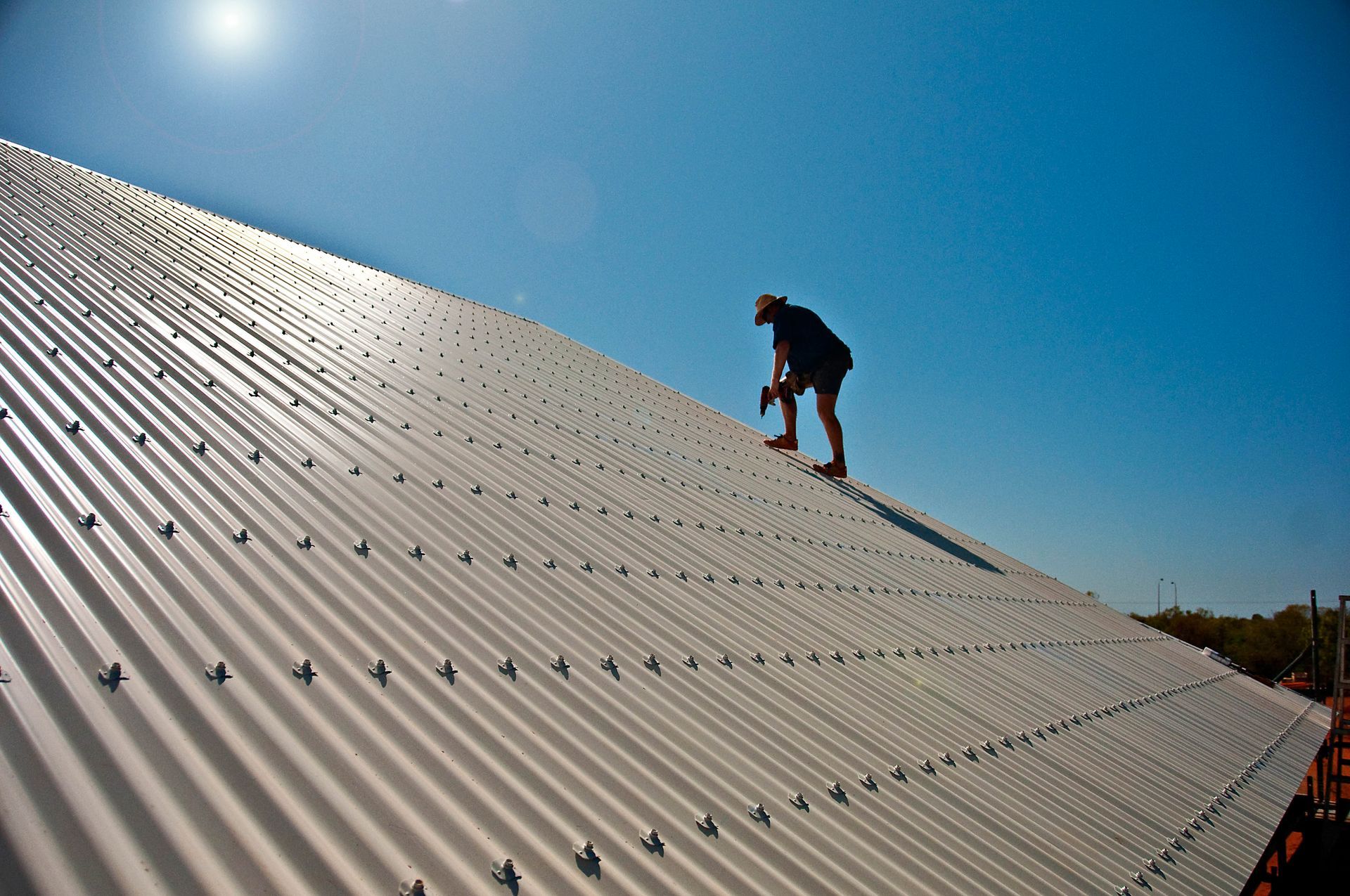
Metal roofs are often excellent candidates for solar panel systems because of their durability and long service life. Since these roofing systems are designed to withstand harsh weather conditions, they can frequently support solar installations without requiring major structural changes. However, every roof is unique, and material type, panel profile, and existing condition all influence whether installation is appropriate.
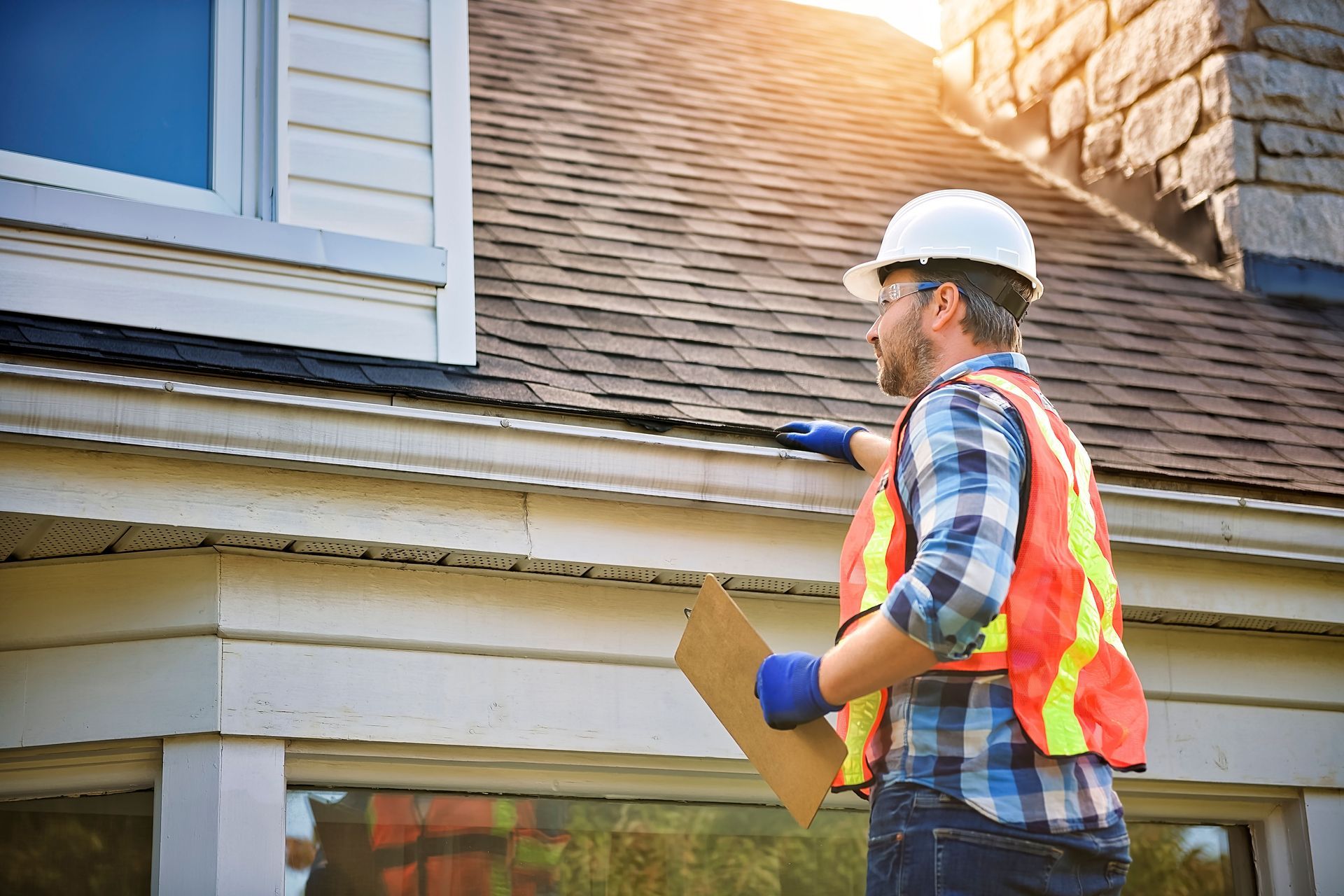
An experienced roofing company begins by examining the roof’s condition before any solar equipment is considered. Even a durable roof should be carefully inspected for existing wear, flashing performance, and overall structural integrity. Addressing any roofing concerns before installation is generally far more practical than attempting repairs after solar equipment has already been mounted.
This careful evaluation helps ensure that both roofing and solar systems perform efficiently while protecting the building beneath them. A thorough assessment also reduces the likelihood of unexpected issues during or after installation.
Evaluating Structural Readiness
Although metal roofing is known for its strength, every structure must be evaluated individually before additional equipment is installed. The roof covering is only one part of the equation. The supporting framework, attachment points, and overall building design must also be capable of accommodating the planned solar system.
A knowledgeable roofing company works with the appropriate specialists to determine whether the existing roof assembly can safely support the installation. This collaborative approach helps prevent unnecessary stress on the roofing system while ensuring that the solar equipment performs as intended.
During the evaluation process, professionals also consider factors such as drainage patterns, ventilation, and future accessibility. These details may seem minor, but they contribute significantly to the long-term success of both systems. Careful planning helps preserve the roof’s protective qualities while allowing the solar equipment to operate efficiently.
According to Ruby Home, an estimated 5 million roofs are installed each year. That volume highlights just how many roofing systems exist across a wide range of designs and materials, making thorough evaluations especially important before adding solar equipment.
Choosing Proper Attachment Methods
One of the most important aspects of installing solar panels on a metal roof involves selecting the correct attachment method. Different styles of metal roofing require different mounting approaches, and using the wrong hardware can compromise the roof’s performance or shorten its lifespan.
Rather than relying on universal solutions, professionals choose mounting systems that are specifically designed for the particular roof profile. Some metal roofs allow attachments that minimize penetrations, while others require carefully engineered fastening methods that maintain weather resistance and structural reliability.
When a roofing company participates in planning the installation, the focus remains on preserving the roof’s ability to protect the building. Proper flashing, compatible materials, and correctly installed mounting hardware all contribute to preventing leaks and maintaining long-term performance.
Attention to these details also supports manufacturer requirements when applicable. Following approved installation practices helps reduce potential complications while protecting the overall investment in both the roof and the solar system.
Coordinating Roofing And Solar Work
Successful solar installations often depend on strong communication among everyone involved in the project. Roofing professionals, solar installers, and property owners all benefit when expectations are clearly established before work begins.
A trusted roofing company helps coordinate roofing considerations with the solar installation process so that both systems function together rather than competing for space or creating unnecessary challenges. Proper scheduling can also prevent avoidable disruptions and reduce the likelihood of additional labor later.
This coordinated approach becomes particularly valuable when a roof is nearing the end of its expected service life. Installing solar equipment on a roof that may soon require replacement can lead to unnecessary costs and additional work. Evaluating the roof first allows informed decisions that protect the overall investment.
Good communication also ensures that future maintenance needs remain manageable. Leaving appropriate access to key roofing components can make inspections and service work much more efficient throughout the life of the roof.
Protecting Long-Term Performance
Installing solar panels is not simply about generating energy. The roofing system must continue performing its primary responsibility of protecting the building from the elements. Long-term success depends on maintaining both systems without allowing one to compromise the other.
An experienced roofing company understands how weather exposure, seasonal changes, and normal building movement can affect roofing materials over time. Proper installation practices help accommodate these natural conditions while minimizing unnecessary stress on attachment points and surrounding roofing components.
Routine inspections remain valuable even after installation has been completed. Periodic evaluations allow professionals to identify developing concerns before they become more significant problems. Small issues addressed early are generally easier to manage than larger repairs discovered after extensive damage has occurred.
Property owners also benefit from keeping detailed records of inspections, maintenance, and any future modifications. Organized documentation helps preserve valuable information about the roofing system and supports informed decision-making whenever service is required.
Planning Future Maintenance
Solar panels and metal roofing are both long-term investments, making ongoing maintenance an important part of protecting their value. Even high-quality materials benefit from periodic professional attention that helps preserve performance and identify concerns before they escalate.
Your roofing company can recommend maintenance schedules that account for both the roofing system and the presence of solar equipment. These inspections may include evaluating flashing, attachment hardware, drainage paths, seal integrity, and other components that contribute to overall roof performance.
Professional maintenance also helps ensure that future service work can be completed safely without unnecessarily disturbing the solar equipment. Planning reduces inconvenience while supporting the continued efficiency of both systems.
Property owners should also communicate with qualified professionals before making changes that could affect either installation. Whether modifications involve additional equipment or roofing improvements, coordinated planning helps maintain compatibility and long-term reliability.
Metal roofs can often provide an excellent foundation for solar panel systems when the installation is carefully planned and professionally executed. Compatibility depends on factors such as roof condition, structural readiness, appropriate mounting methods, and ongoing maintenance rather than the roofing material alone.
By approaching the project with careful evaluation and coordinated expertise, property owners can protect both their roofing investment and their renewable energy system for years to come. If you are considering solar panels for a metal roof, contact Mendoza Roofing LLC. Our roofing company can help evaluate your roof, coordinate the installation process, and provide professional guidance that supports lasting performance for your property.