October 1, 2026
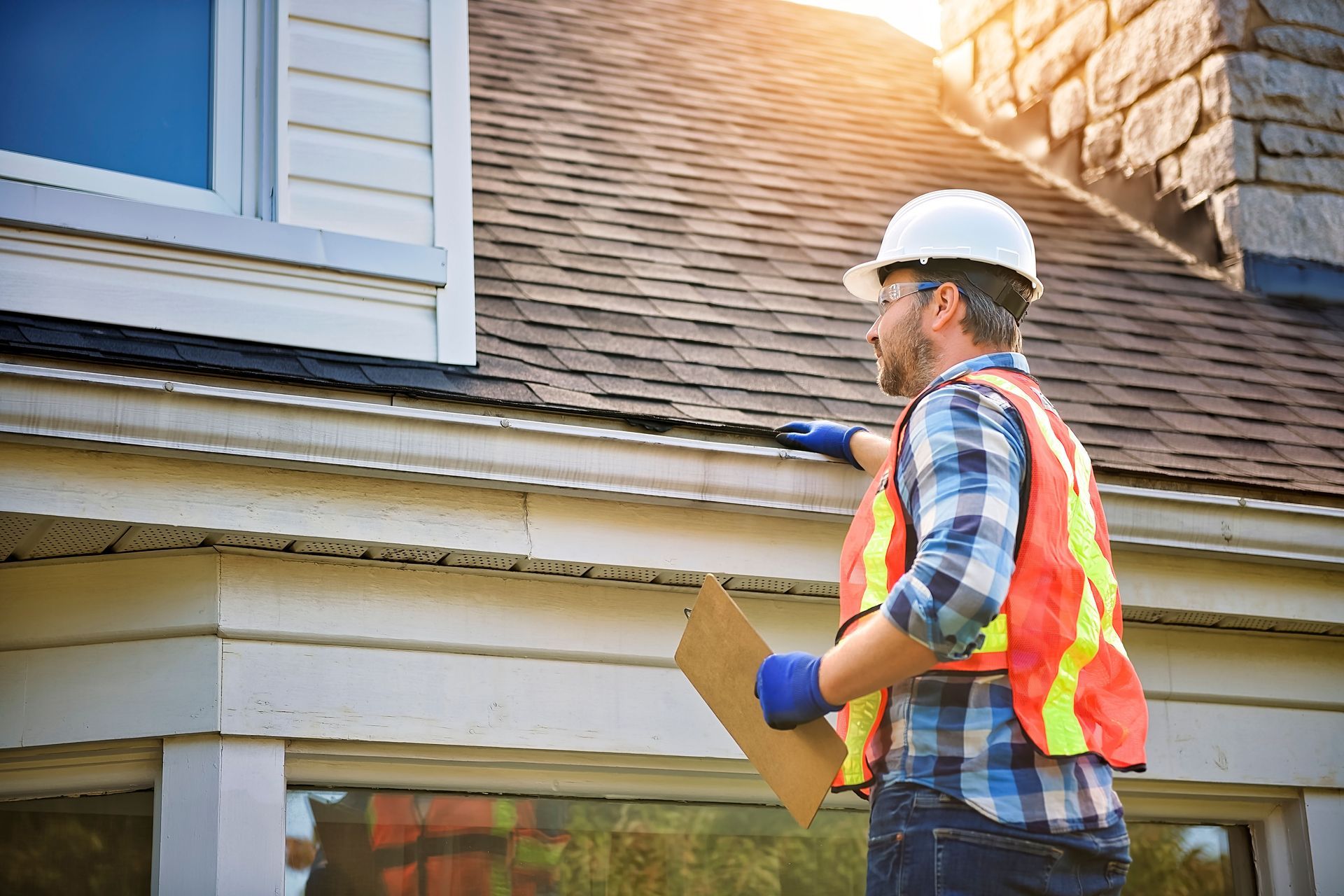
A roof protects the interior of a home from rain, wind, sunlight, temperature changes, and other environmental conditions. Because much of the roofing system is difficult to see from ground level, developing problems may remain unnoticed until they begin affecting other parts of the property. A professional roof inspection can help identify concerns before visible interior damage makes the situation more complicated.
Knowing when to contact local roofers for an inspection allows homeowners to respond appropriately to changes in their roofing system. Inspections can be useful after severe weather, when signs of deterioration appear, before major property decisions, or simply when the roof has not received professional attention for an extended period. Recognizing these situations can make it easier to protect the roof and understand its current condition.
Scheduling an Inspection After Severe Weather
Strong storms can place considerable stress on roofing materials even when a roof appears intact from the ground. High winds may loosen shingles, lift roofing materials, damage flashing, or expose vulnerable areas. Heavy rain can also reveal weaknesses around roof penetrations, valleys, edges, and other locations where water must be properly directed away from the structure.
Hail and wind-driven debris can create additional concerns that are not always immediately obvious. Some damage may affect only a small section of the roofing system, while other problems can be distributed across several areas. Because subtle storm damage can be difficult for homeowners to recognize, local roofers can examine the roof and determine whether weather conditions have affected its materials or components.
Scheduling an Inspection After Discovering a Leak
Water entering the home is one of the clearest reasons to arrange a roof inspection. Ceiling stains, damp areas, peeling finishes, or moisture in an attic can indicate that water is entering somewhere within the building envelope. However, the location where water becomes visible indoors may not correspond directly with the point where it entered the roofing system.
Water can travel along roof decking, framing, insulation, and other materials before appearing inside the living space. That movement can make the source difficult to identify without a broader evaluation. Local roofers can assess roofing materials, flashing, penetrations, and other potential entry points to determine where the problem may originate.
Scheduling an Inspection After Noticing Exterior Changes
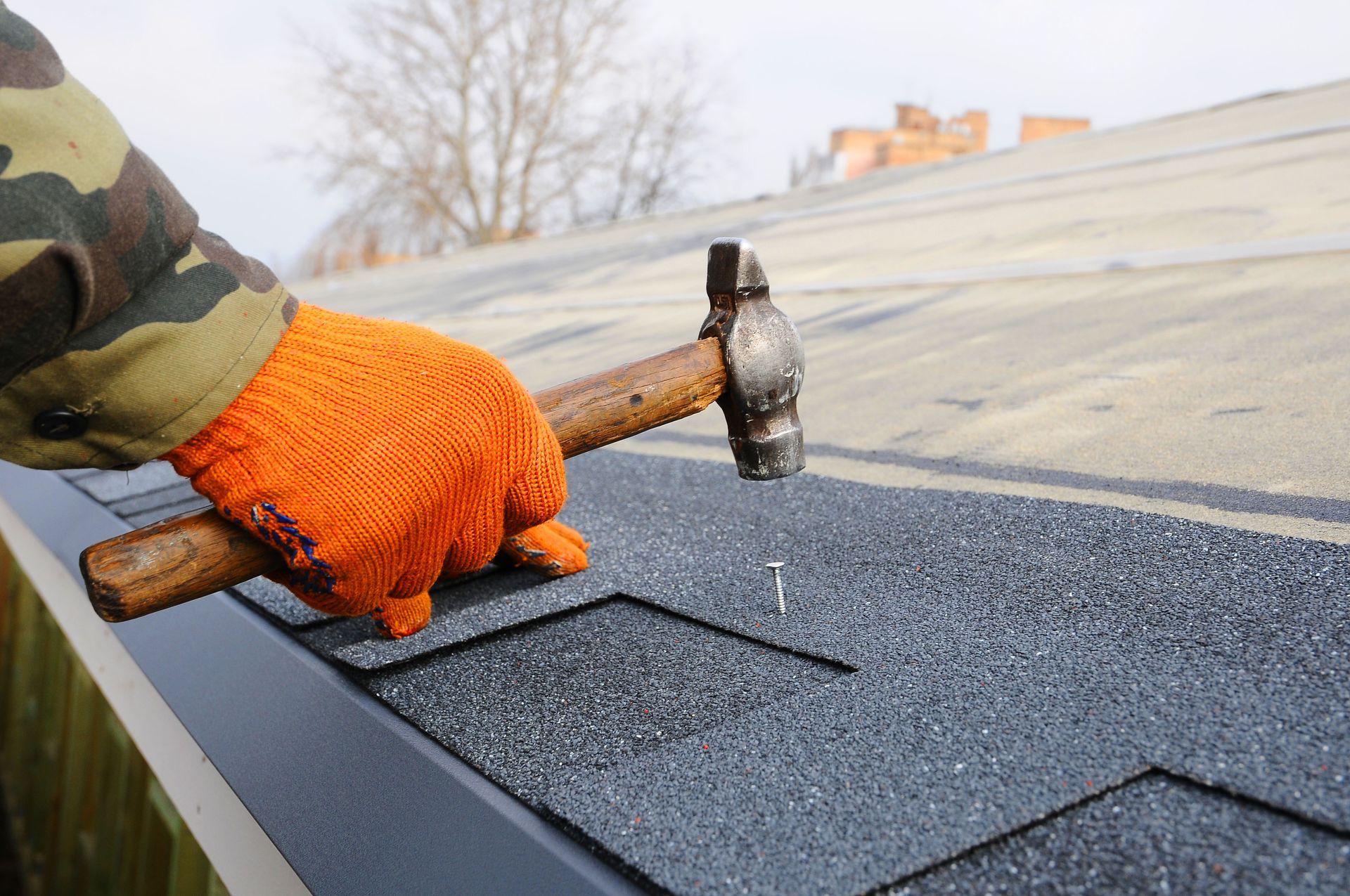
Visible changes to the roof can indicate that an inspection is appropriate even when there is no active leak. Missing, lifted, cracked, curling, or deteriorated shingles can affect the roof’s ability to shed water properly. Changes around flashing, vents, chimneys, edges, and roof penetrations may also deserve professional attention.
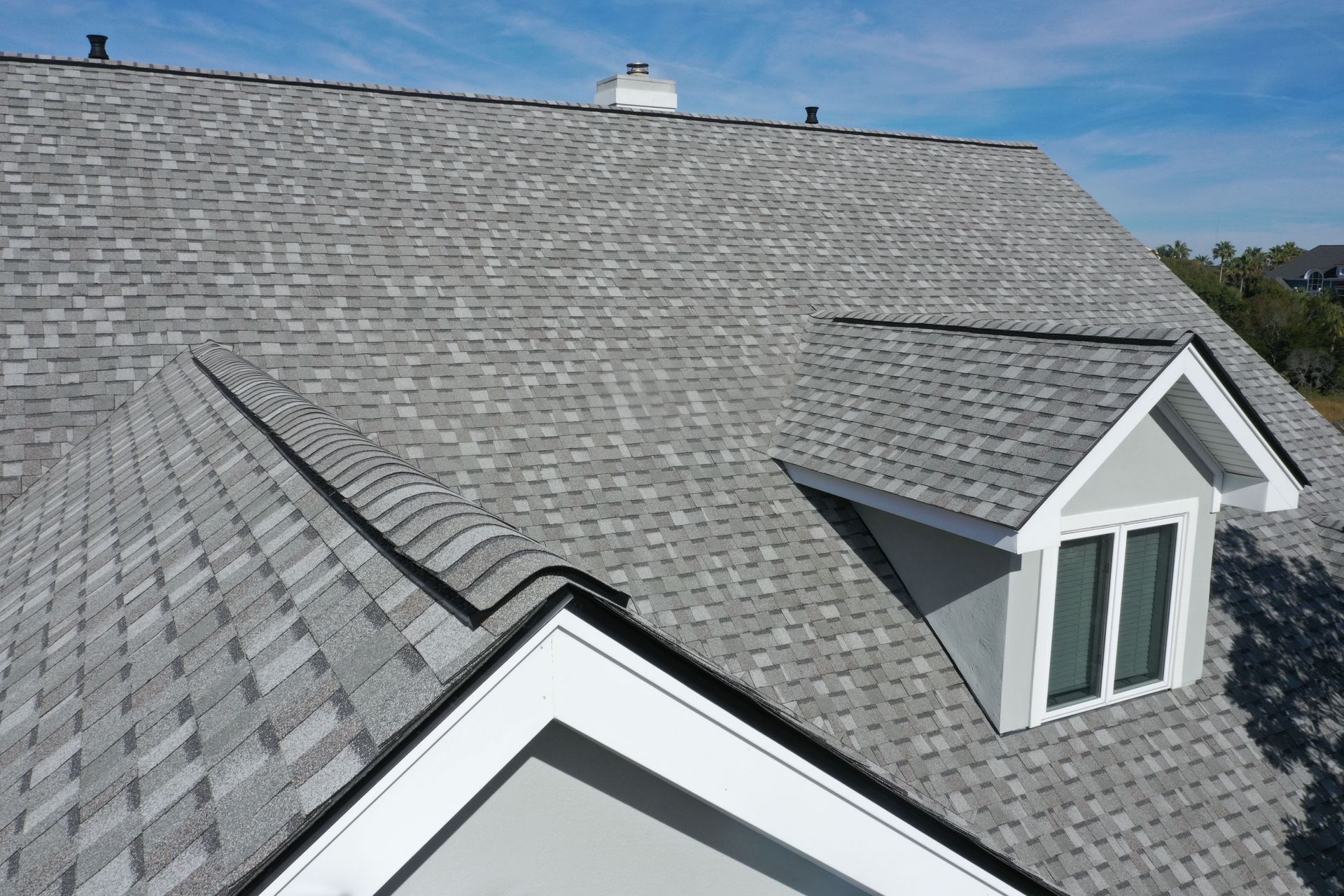
Asphalt shingles are particularly common on residential properties. In fact, according to RubyHome, approximately 80% of residential roofing projects use asphalt shingles as their primary material. Like other roofing materials, shingles are continually exposed to weather and environmental conditions that can gradually affect their appearance and performance.
Homeowners may also notice roofing material collecting near downspouts or around the property. While some changes occur naturally as materials age, unusual or widespread deterioration can warrant closer evaluation. Local roofers can distinguish between ordinary wear and conditions that may indicate a need for repair, maintenance, or additional monitoring.
Scheduling an Inspection After a Long Period Without Evaluation
A roof does not need to be actively leaking for an inspection to be useful. Some roofing concerns develop gradually and produce few noticeable symptoms during their early stages. Small flashing issues, isolated material damage, deteriorated sealants, or drainage concerns may remain largely hidden until conditions worsen.
This is especially valuable for homeowners who have lived in a property for an extended period without roofing work or who do not have complete records from previous owners. Local roofers can identify areas that deserve attention and explain how observed conditions relate to the overall roofing system.
Scheduling an Inspection Before Buying or Selling a Home
Roof condition can be an important consideration during a real estate transaction. Buyers may want additional information about a roof before assuming responsibility for the property, particularly when its maintenance history is unclear. Sellers may also benefit from understanding whether roofing concerns could become relevant during the transaction.
A professional inspection can provide more specific information about visible roofing conditions. This can help distinguish cosmetic concerns from issues that may require repair or further evaluation. It can also give property owners a better understanding of existing materials, vulnerable areas, and signs of previous work.
For prospective buyers, working with local roofers can provide roofing-focused information that complements a broader property inspection. For sellers, learning about potential concerns before they become unexpected issues can support better preparation and more informed conversations about the property’s condition.
Scheduling an Inspection After Nearby Construction or Impact
Roof damage does not always originate from weather or natural aging. Falling tree limbs, airborne debris, nearby construction activity, or accidental impacts can affect roofing materials. Even when an impact does not create an obvious opening, it may loosen materials or damage components that help keep water outside the home.
Tree branches can also scrape against roofing surfaces over time. Nearby vegetation may contribute leaves and organic debris that collect in roof valleys or drainage areas. These conditions can interfere with water movement and make certain portions of the roof more difficult to evaluate visually.
When an impact or unusual event has occurred, local roofers can inspect the affected area while also checking surrounding components. A broader evaluation is useful because damage may extend beyond the most obvious location. Identifying the full extent of a roofing concern can help homeowners make better decisions about appropriate repairs.
Scheduling an Inspection When Interior Conditions Change
Not every warning sign appears directly on the roof. Changes inside the home can sometimes suggest that the roofing system or attic area deserves attention. New ceiling discoloration, unexplained moisture, musty odors, or visible changes in attic materials can all justify further investigation.
Some interior symptoms may have causes unrelated to the roof, which is another reason professional evaluation is valuable. Condensation, plumbing problems, ventilation issues, and exterior water intrusion can sometimes produce similar signs. Assuming that every stain is automatically caused by a roof leak may lead to an incomplete understanding of the problem.
A roofing inspection can help determine whether roof components appear to be contributing to the condition. If roofing issues are identified, homeowners can then consider the appropriate response based on the location, extent, and nature of the findings rather than relying on assumptions.
Scheduling an Inspection Before Problems Become More Extensive
Roof inspections are not limited to emergencies. They can also be part of a proactive approach to understanding how a roofing system is performing. Finding a small area of concern may allow homeowners to address it before additional roofing materials or interior portions of the home are affected.
Professional evaluation is particularly useful because roofing systems contain interconnected components. Shingles or other surface materials work alongside underlayment, flashing, ventilation components, drainage features, penetrations, and structural elements. A problem involving one area may influence how effectively another portion of the roof performs.
Contacting local roofers when warning signs appear can provide clarity about whether a condition requires immediate attention or continued observation. That information helps homeowners make decisions based on the actual state of the roof instead of waiting until a visible problem becomes more disruptive.
Protecting Your Home With Timely Roof Inspections
Roof problems can emerge after severe weather, gradual material deterioration, accidental impacts, water intrusion, or years without professional evaluation. Changes inside or outside the home may provide important clues, but the full condition of the roofing system is not always apparent without a closer inspection.
Timely professional evaluation gives homeowners a clearer understanding of what is happening and what action, if any, should follow. Rather than waiting for extensive damage to develop, an inspection can identify vulnerable areas, document existing conditions, and provide information for planning repairs or maintenance.
Contacting a Roofing Professional for an Inspection
If you have noticed signs of roof damage, experienced severe weather, discovered moisture inside your home, or simply want a clearer picture of your roof’s condition, we can help. At Mendoza Roofing LLC, our team can inspect your roofing system, explain our findings, and help you understand the appropriate next steps. Contact us to schedule a professional roof inspection and learn more about the condition of your roof.