September 28, 2026
When a roof develops a leak, finding the source is not always as straightforward as spotting water inside a building. Moisture can travel beneath shingles, insulation, or other roofing materials before appearing indoors. That means the visible damage may be far from the actual problem.
Drone inspections allow roofing professionals to capture detailed images and video from above. This approach can provide a broader view of the roof surface while helping identify areas that may deserve closer attention. For property owners, working with a local roofer who understands how to interpret these images can make the inspection process more informed and efficient.
Identify Hard-to-See Roof Problems
A roof can contain subtle signs of trouble that are difficult to recognize from the ground. Missing or damaged shingles, lifted edges, exposed areas, deteriorating flashing, and unusual surface patterns may indicate that further investigation is needed. A drone can capture views of these areas from angles that would otherwise require a person to access the roof directly.
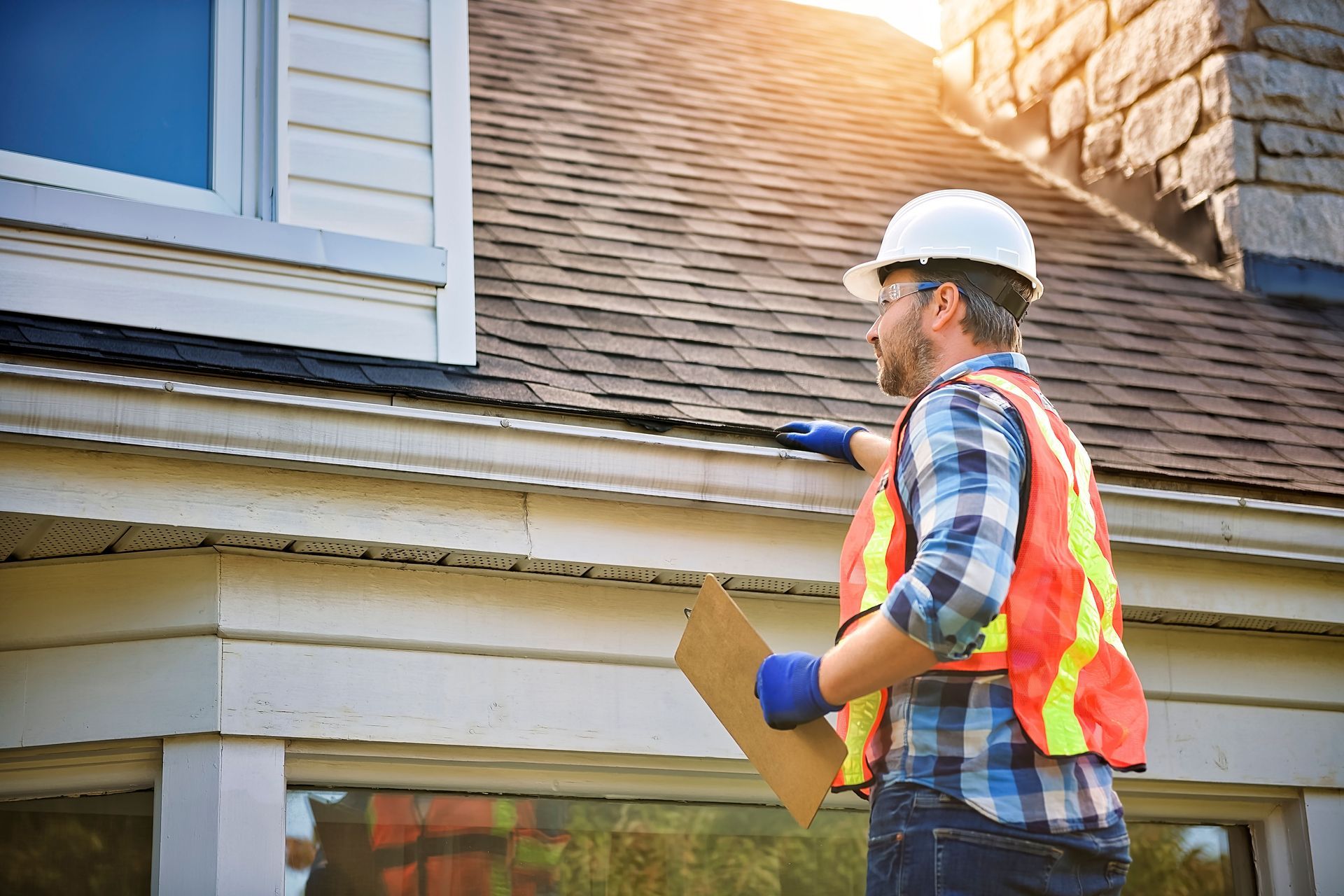
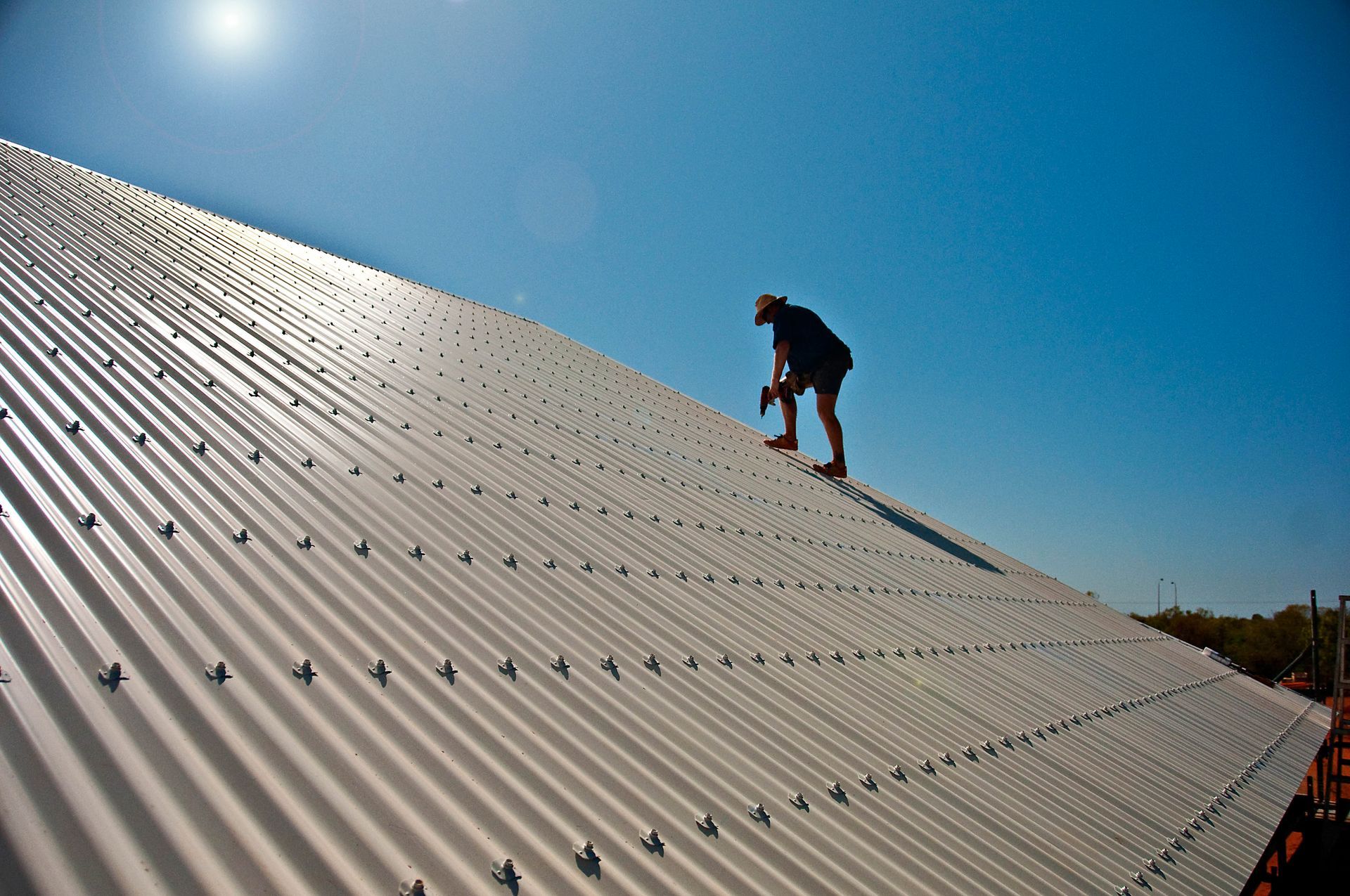
Some roofing problems may also develop in locations that are difficult to inspect safely. Steep slopes, fragile materials, limited-access areas, and complicated roof designs can present challenges during a traditional inspection. Instead of immediately stepping onto these surfaces, a local roofer can use aerial imagery to determine where attention may be necessary.
Aerial photographs can reveal changes in the appearance of roofing materials that might not be obvious when viewed from the ground. Shingles may appear uneven, sections may show signs of deterioration, or flashing may look displaced around roof penetrations.
Examine Potential Leak Sources
Finding a roof leak involves more than locating the spot where water becomes visible indoors. Water can enter through one area and travel along the roof structure before eventually reaching a ceiling or wall. Because of this, a professional needs to consider several possible entry points when evaluating moisture problems.
A drone can provide a detailed overview of the roof surface and help identify conditions associated with water intrusion. Damaged flashing, deteriorated roofing materials, gaps around penetrations, and areas where water may collect can become easier to examine from above.
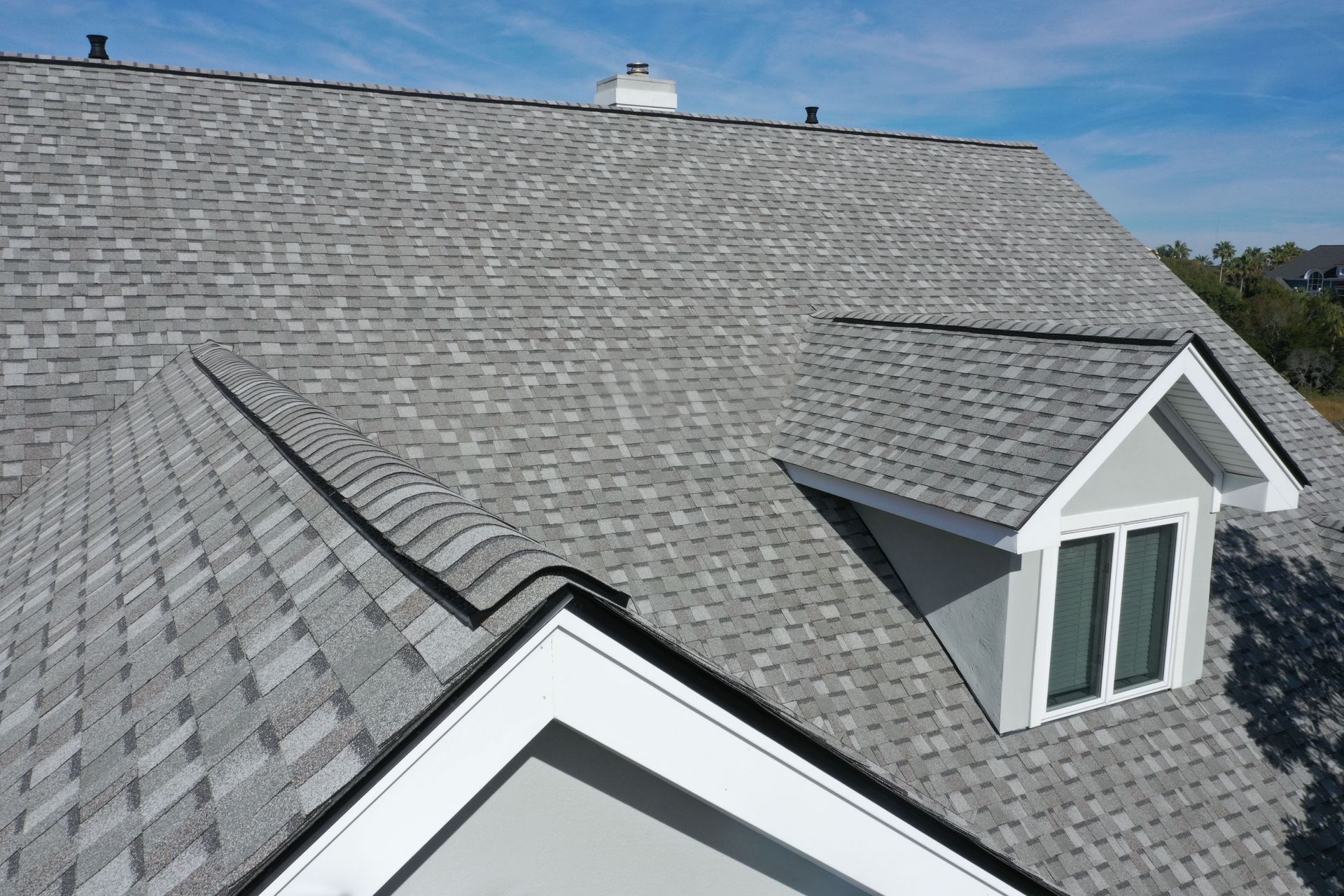
The broader perspective can be particularly helpful when a property has a complicated roof design. Multiple slopes, valleys, additions, dormers, vents, skylights, and other features can create numerous potential pathways for water. Drone imagery can help a professional see how these components connect and identify locations that deserve closer attention.
This process can also reduce some of the guesswork involved in investigating recurring leaks. If a homeowner has noticed moisture in a particular room, aerial images can help the roofing professional review the corresponding roof area as well as nearby features.
Review Roofing Conditions From Above
One advantage of drone technology is the perspective it provides. Rather than examining the roof from a single ladder position or walking across individual sections, professionals can review broad areas through aerial photographs and video. This can make it easier to compare different portions of the roof and notice conditions that might otherwise be overlooked.
The images can also provide useful documentation of the roof's condition at the time of an inspection. A property owner can see areas of concern without having to access the roof personally. When a local roofer explains what the images show, the homeowner can have a clearer understanding of why additional inspection, maintenance, or repairs may be appropriate.
Drone imagery may also help create a visual record that can be referenced when discussing the condition of the roof. Instead of relying entirely on verbal descriptions, a professional can point to specific areas in photographs and explain what appears unusual.
Visual documentation may be useful for identifying patterns across a roof as well. One isolated damaged shingle could represent a localized issue, while widespread deterioration may suggest a broader concern with the roofing system. Aerial views give professionals an opportunity to consider individual defects within the context of the entire roof rather than evaluating every issue in isolation.
Understand the Roofing Market
Roofing remains a substantial part of the construction industry, which reflects the ongoing need for maintenance, inspections, replacement, and repair services. According to Research and Markets, the United States roofing market reached a value of $23.35 billion in 2024. This broad market includes residential and commercial roofing activity, along with the services and materials required to maintain these structures.
As roofing technology continues to evolve, inspection methods are also changing. Drone technology is one example of how professionals can incorporate modern tools into established roofing practices.
Modern inspection tools can be especially useful as roofing systems become more varied. Different materials, architectural designs, ventilation systems, and roof-mounted equipment can create unique inspection considerations. Aerial technology gives professionals another way to collect information before determining which areas require closer examination.
Technology can also help make the inspection process more informative for property owners. Seeing an aerial image of a roof can provide context that is difficult to communicate through a written description alone.
Evaluate Drone Inspection Results
Drone imagery is most useful when someone with roofing knowledge knows what to look for. A photograph may show a damaged area, but interpreting the significance of that damage requires an understanding of roofing materials, installation practices, drainage, flashing, ventilation, and other factors. A qualified professional can connect visual observations with the broader condition of the roof.
Homeowners should also understand that a drone inspection is not necessarily a complete substitute for every type of roof evaluation. Certain concerns may require physical examination, moisture detection, attic inspection, or other diagnostic methods. A local roofer can determine whether the aerial findings indicate a need for additional investigation.
For example, an image may reveal discoloration near a roof feature, but the photograph alone cannot always determine whether the appearance is caused by moisture, aging materials, surface debris, or another condition. Additional investigation may be needed before a repair recommendation can be made. This distinction is important because effective roofing decisions should be based on evidence rather than assumptions.
Professional interpretation also helps separate normal wear from conditions that may require attention. Roofing materials naturally change with exposure to weather and the elements. An experienced inspector can consider the age and type of material, surrounding conditions, drainage patterns, and other factors when reviewing what appears in the drone footage.
Choose a Professional Inspection
When considering a drone roof inspection, homeowners should look for a roofing professional who combines appropriate technology with practical roofing experience. The goal should not simply be to receive attractive aerial photographs. The inspection should help identify potential concerns and provide useful information about what those observations could mean for the roof.
It can also be helpful to ask how the images will be reviewed and whether the professional provides an explanation of the findings. Clear communication can help property owners understand which conditions appear routine, which areas may require monitoring, and which issues may call for prompt attention. Choosing a local roofer familiar with the property's climate and common roofing concerns can further support that evaluation.
Homeowners may also want to ask whether the inspection includes documentation of areas that could not be evaluated thoroughly from the ground. A detailed process should account for the roof's overall design rather than focusing exclusively on the area where a leak has already become visible.
Most importantly, a drone inspection should be part of a broader professional evaluation rather than treated as a technology demonstration. The value comes from combining aerial information with roofing expertise, careful observation, and appropriate follow-up.
Drone inspections offer a useful perspective for investigating roofs while reducing the need for immediate physical access to potentially difficult areas. By combining aerial imagery with experienced interpretation, roofing professionals can identify visible warning signs, investigate potential leak sources, and document existing conditions more effectively. When roof concerns arise, take the next step toward a clearer diagnosis and dependable solution with Mendoza Roofing LLC.