April 1, 2026
Understanding the pivotal role professional roofers play in extending the lifespan of a roof is essential for homeowners who want to protect their investment. A well-maintained roof shields the home from rain, wind, heat, and debris while also supporting energy efficiency and curb appeal. Skilled professionals provide services that range from preventive inspections to repair planning and full installation support. Their knowledge helps reduce the likelihood of premature wear, hidden leaks, and structural deterioration. With the right approach, even a roofing system exposed to harsh weather can remain reliable for many years.
The technical nature of roofing work requires training, precision, and a deep understanding of materials and climate conditions. From identifying subtle warning signs to choosing products that perform well in a specific environment, experienced roofers contribute to better long-term outcomes. They understand how ventilation, drainage, flashing, underlayment, and fastening methods all work together as one system. When each part is installed and maintained correctly, the roof has a much better chance of reaching or exceeding its expected lifespan. That is why professional involvement is such a valuable part of home protection.
Roof Assessment
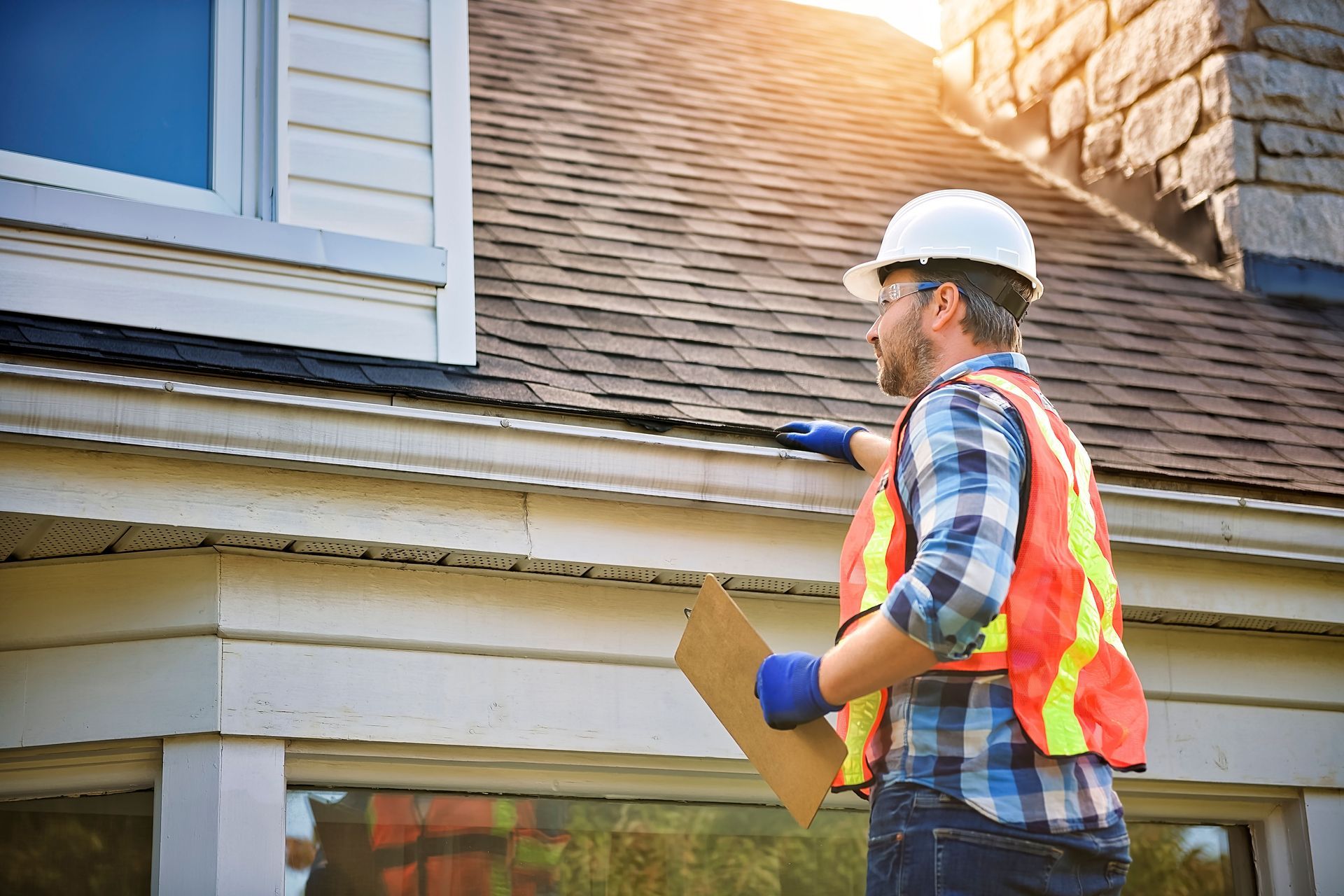
One of the most important ways professionals extend roof life is through detailed inspections. A roof may look acceptable from the ground while still having damaged shingles, loose flashing, worn sealants, or moisture intrusion beneath the surface. Careful assessments help uncover these issues before they become larger and more expensive problems. During an inspection, roofers evaluate visible materials as well as vulnerable transition points around chimneys, vents, skylights, valleys, and edges. This process creates a clear picture of the roof’s present condition and the steps needed to preserve it.
According to This Old House, asphalt shingle roofs usually last 15 to 30 years, which shows why routine evaluation matters. Small concerns such as lifted shingles or minor sealant failure can worsen quickly when exposed to repeated storms or temperature swings. Early identification gives homeowners the opportunity to schedule targeted repairs instead of waiting for interior water damage or widespread material loss. These inspections also help track aging patterns over time, making it easier to plan future maintenance. A roof that is monitored consistently is far less likely to fail without warning.
Problem Detection
Many roofing issues begin in places that are not immediately obvious. Moisture can collect beneath the surface, insulation can weaken, and structural decking can begin to deteriorate long before a leak appears inside the house. Professional evaluations are designed to detect these hidden threats through close observation and, in some cases, the use of specialized tools. By recognizing subtle signs of trouble, roofers can recommend repairs that address the source of the issue instead of just the visible symptom. This approach prevents recurring damage and improves the overall durability of the system.
Problem detection is especially important after strong storms, seasonal freeze-thaw cycles, or long periods of heat exposure. Wind can loosen shingles, hail can bruise protective surfaces, and standing water can accelerate wear on low-slope areas. Even debris from nearby trees can trap moisture and shorten material life if it is not removed promptly. A professional review after severe weather can reveal whether the roof needs immediate repair, minor adjustments, or continued monitoring. Taking action early often means the difference between a manageable repair and a major restoration project.
Technology and Reporting
Modern roofing professionals often use technology to improve the accuracy of their assessments. Drones, moisture detection tools, and thermal imaging equipment can reveal conditions that are difficult to observe through a standard visual inspection alone. These tools are useful for identifying trapped moisture, heat loss, drainage concerns, and hard-to-reach problem areas. Technology does not replace professional judgment, but it strengthens the inspection process by providing more complete information. Better information leads to better recommendations and more efficient repair planning.
Clear reporting is another major advantage of working with trained specialists. Homeowners benefit when findings are documented in an organized way, including photographs, condition notes, and prioritized recommendations. These reports help property owners understand what requires immediate attention and what should be monitored over time. They also create a record that can be used for budgeting, insurance discussions, or future maintenance decisions. A documented maintenance history adds clarity and helps homeowners make informed choices about protecting the roof.
Material Selection
Material selection has a direct effect on how long a roof will last. Different products respond differently to sunlight, rainfall, humidity, impact, and temperature fluctuations. A material that performs well in one region may not be the best fit in another. Experienced roofers help homeowners compare options based on durability, appearance, maintenance needs, and budget. Their guidance reduces the risk of choosing a product that looks appealing at first but performs poorly in the local environment.
High-quality materials can lower long-term costs by reducing the frequency of repairs and improving resilience against common weather-related stress. In addition to shingles or panels, professionals also consider underlayments, sealants, flashing components, ventilation accessories, and fastening systems. Each of these parts contributes to the roof’s overall strength and performance. Choosing better components at the start often means fewer issues later. The result is a roofing system that functions more effectively as a whole.
Weather Resistance
Climate plays a major role in roof longevity, so weather resistance should never be treated as an afterthought. Intense ultraviolet exposure can dry out roofing materials, repeated rain can exploit weak seals, and high winds can damage edges or lift poorly secured sections. In colder climates, ice dams and freeze-thaw movement can create additional strain. Roofers account for these risks when recommending installation methods and material combinations. Their climate-specific planning helps the roof stand up to the conditions it will face year after year.
Protective features such as impact-resistant shingles, improved attic ventilation, reflective surfaces, and high-performance underlayments can all contribute to a longer service life. Proper drainage design is equally important because standing water and slow runoff increase the likelihood of deterioration. When professionals tailor the roofing system to local weather conditions, they reduce stress on the materials and improve long-term reliability. This kind of planning is one of the most practical ways to protect a home from premature roof failure.
Installation Quality
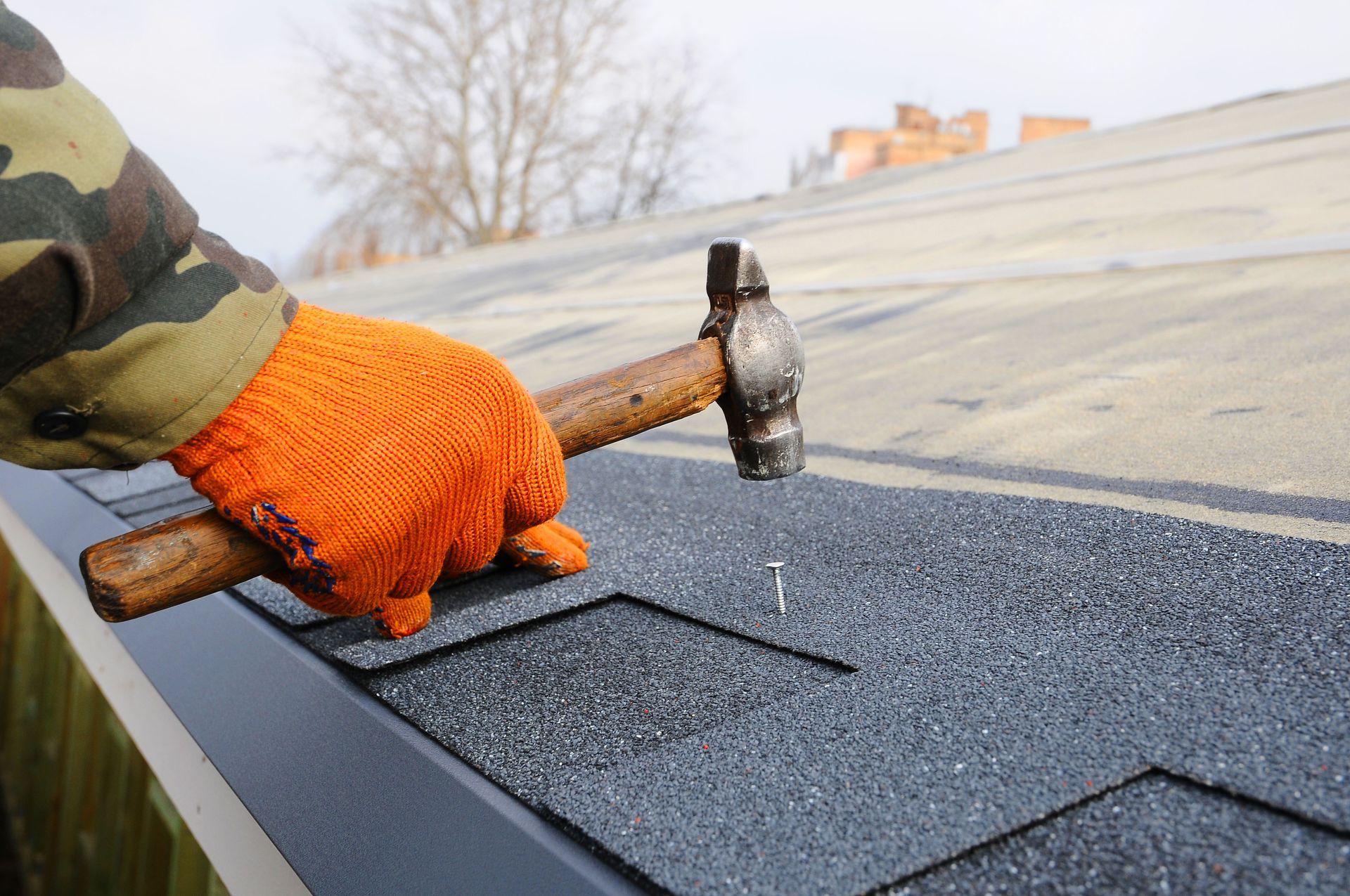
Even the best materials will not perform as intended if they are installed incorrectly. Proper alignment, secure fastening, careful flashing placement, and accurate sealing are all necessary for a roof to function well over time. Professional roofers understand manufacturer requirements and industry standards that affect performance and warranty protection. Their attention to detail helps prevent common installation mistakes that lead to leaks, wind damage, and uneven wear. Good workmanship creates the foundation for a roof that can withstand years of use.
Installation quality also affects efficiency and appearance. A properly installed roof supports ventilation and moisture control, both of which influence indoor comfort and attic conditions. It also presents a more consistent and attractive finished look, which can benefit property value. When installation is handled with care, the home gains both functional protection and visual improvement. That combination makes professional craftsmanship a worthwhile investment for homeowners who want lasting results.
Extending the life of a roof depends on a combination of knowledge, planning, and timely action. Professional guidance helps homeowners avoid common mistakes and respond to concerns before they become severe. From the first inspection to the latest maintenance visit, roofers play a central role in preserving roof strength and reliability. Investing in qualified service today can lead to years of better performance, fewer surprises, and greater peace of mind. That lasting protection is one of the strongest reasons to treat roofing care as an essential part of responsible homeownership. Contact Mendoza Roofing LLC today and learn more about our roofing services.