March 9, 2026
Residential roofing needs often appear gradually and sometimes unexpectedly, but they always demand attention once issues become visible. A roof may seem functional for years, yet age, weather, and wear slowly take a toll beneath the surface. When homeowners notice leaks, missing shingles, curling edges, or water stains inside the home, it becomes clear that replacing an existing roof is often the most practical solution rather than installing a new roof from scratch.
This pattern explains why re-roofing consistently dominates residential roofing demand. Understanding the factors that drive replacement helps homeowners plan, budget effectively, and select roofing contractors who can manage full-scale projects efficiently while providing long-term value and reliable protection. Re-roofing isn't just about replacing old materials; it's a comprehensive process that restores structural integrity and enhances the overall performance of a home’s roofing system.
Why Re-Roofing Drives Residential Roofing Demand
Most residential properties already have a roof in place, and every roof has a finite lifespan. Continuous exposure to sunlight, moisture, temperature fluctuations, and seasonal storms gradually degrades roofing materials, even when homeowners maintain them carefully. Over time, replacement becomes the most practical and reliable way to protect the home and prevent more costly damage that can affect the structure underneath.
According to This Old House, asphalt shingle roofs usually last 15 to 30 years. As large portions of the housing stock approach or exceed this age range, the demand for re-roofing naturally rises. Neighborhoods built around the same period often experience waves of roof replacements simultaneously, creating concentrated periods of re-roofing demand. Homeowners begin to recognize that re-roofing is often less disruptive and more cost-effective than ongoing patchwork repairs.
Many homeowners initially consider minor repairs, hoping to extend the life of an aging roof. While repairs can address small leaks or localized damage temporarily, they rarely fix the systemic wear that occurs over decades. Re-roofing, in contrast, restores full protection, safeguards the home’s structure, and provides the homeowner with long-term peace of mind.
The Re-Roofing Process and What Homeowners Should Know
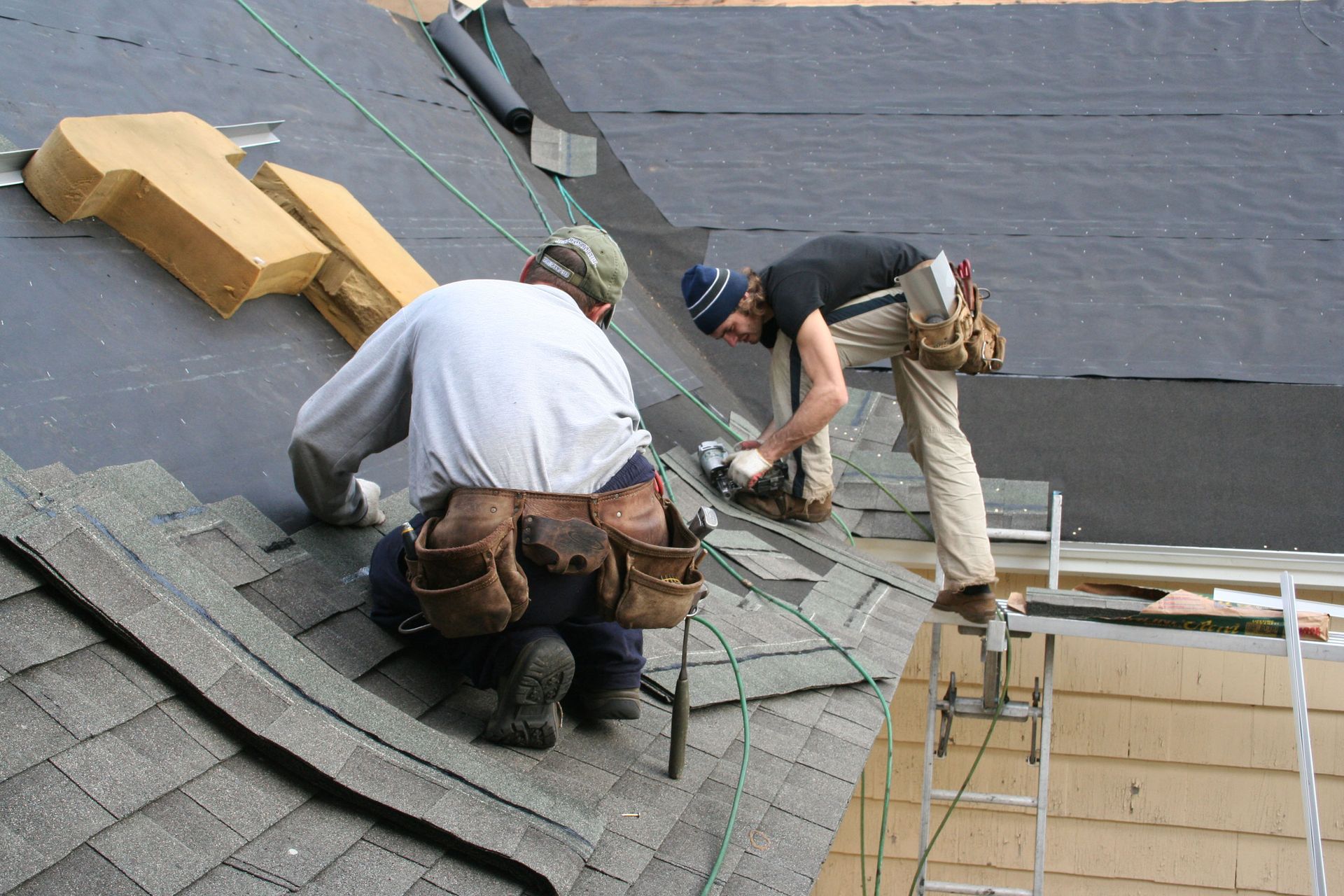
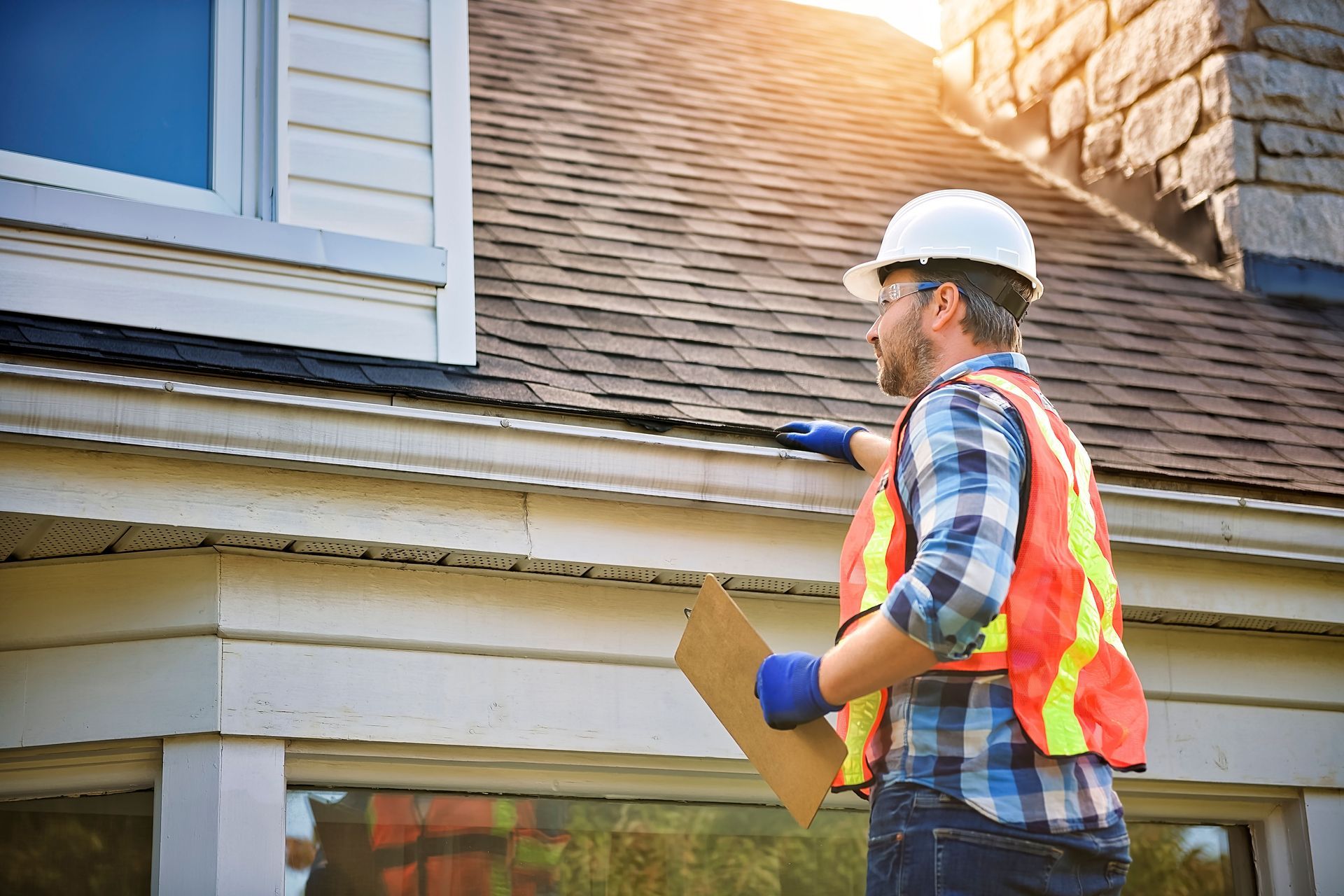
Re-roofing involves several steps that go beyond simply replacing shingles. The process typically begins with a thorough inspection, which allows roofing contractors to identify weak spots, rotting decking, or areas that could compromise the new roof. Any necessary repairs to the underlying structure are completed before installation begins, ensuring that the new roof is installed on a solid foundation.
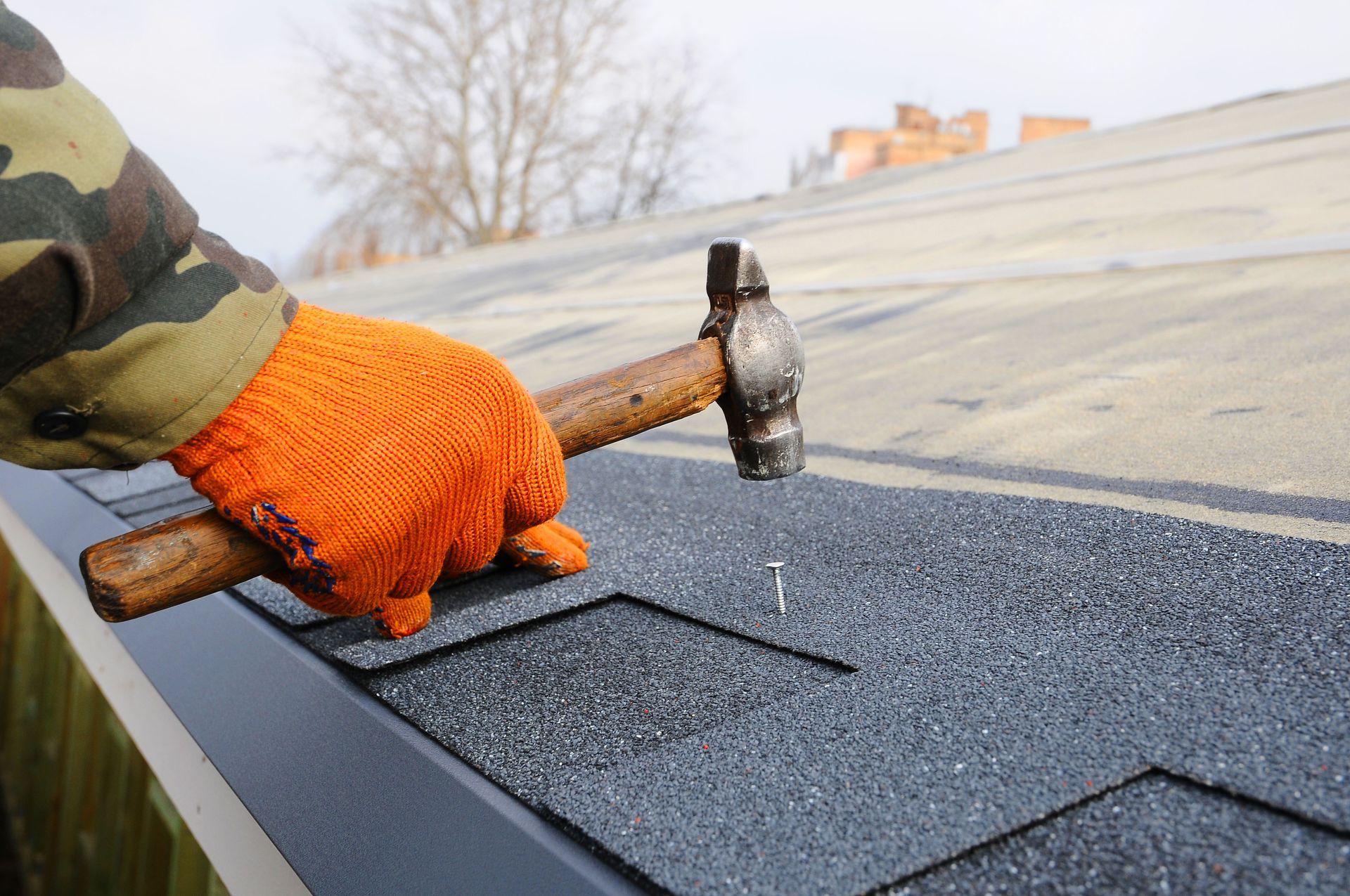
Once preparation is complete, underlayment and new shingles or other roofing materials are installed according to manufacturer guidelines and best practices. Attention to details such as ventilation, flashing, and alignment ensures that the new roof performs efficiently for years to come. Homeowners often find that proper re-roofing also improves energy efficiency and reduces potential for moisture damage, adding value to the home beyond aesthetic upgrades.
After installation, a quality re-roofing project includes inspection and cleanup to ensure that debris is removed and all components meet industry standards. Many contractors also provide guidance on maintenance and care to maximize the lifespan of the new roof. This thorough approach explains why re-roofing is preferred over repeated repairs and highlights the importance of choosing skilled roofing contractors.
Aging Roofs and Predictable Replacement Cycles
Roof deterioration is a gradual process that often occurs quietly until visible signs appear. Shingles lose granules, underlayment dries out, flashing weakens, and small leaks may develop in hidden areas. These changes reduce the roof’s ability to resist water intrusion, wind uplift, and other environmental stressors.
Once a roof reaches its later years, repairs may provide temporary relief but fail to address the underlying decline. Full replacement resets the roof’s performance, restoring structural integrity and protecting the home from future damage. Homeowners often consider re-roofing not only as a maintenance decision but also as a strategic step to preserve home value and avoid repeated disruption from ongoing repairs.
Many buyers also prioritize roof condition when evaluating properties. A recently replaced roof can increase resale value and simplify the selling process. Homeowners planning long-term occupancy, however, view re-roofing as a proactive investment in the home’s safety and functionality, ensuring that the property remains well-protected for decades.
Weather Exposure and Accelerated Wear
Weather is one of the most significant factors in roof deterioration and the subsequent demand for re-roofing. High winds can loosen or lift shingles, heavy rain may expose weak areas, and hail can cause cracks or punctures. Even in regions with moderate climates, seasonal temperature shifts and sun exposure contribute to material fatigue over time.
Repeated exposure compounds damage, often in ways that are not immediately visible. Small cracks, lifted shingles, or weakened underlayment can accelerate degradation and lead to leaks that affect interior spaces. Re-roofing provides a comprehensive solution by restoring full functionality, improving water resistance, and reducing vulnerability to future weather events. Modern roofing materials, including impact-resistant shingles and advanced underlayments, further enhance protection against harsh weather conditions.
Storms also highlight the necessity of re-roofing. Homeowners frequently discover that, after a severe weather event, multiple sections of the roof require replacement rather than simple patching. Re-roofing becomes the most reliable solution to restore durability and long-term protection, even in neighborhoods with relatively moderate weather.
Repair Versus Replacement Decisions
Residential roof repairs remain essential for addressing localized problems or minor damage. Targeted repairs can fix leaks, flashing damage, or individual shingles, extending roof life when the overall structure is still solid. These services are especially helpful for homeowners not yet ready to commit to a full replacement.
However, repairs become less effective as roofs age and damage spreads. Homeowners often find that repeated fixes do not prevent ongoing deterioration and may result in higher cumulative costs than replacement. Re-roofing offers a permanent solution, restoring structural performance, improving weather resistance, and eliminating repeated service visits.
Long-term financial considerations also favor replacement. While minor repairs may appear cost-effective in the short term, the cumulative expense of repeated repairs can exceed the price of a complete re-roofing project. Re-roofing also provides the homeowner with added predictability and assurance of long-term protection.
The Importance of Skilled Roofing Contractors
Re-roofing is a complex project requiring technical skill, planning, and experience. Roofing contractors assess the condition of the existing roof, identify hidden damage, and recommend the best materials and techniques for replacement. Their expertise ensures that the roof meets manufacturer standards, performs reliably, and qualifies for warranty coverage.
Professional installation is critical for water management, proper ventilation, and long-term structural protection. Experienced contractors understand local building codes, industry best practices, and aesthetic considerations. Choosing knowledgeable roofing contractors ensures the work is completed correctly, minimizes future issues, and protects the homeowner’s investment over the life of the roof.
The Benefits of Re-Roofing Beyond Replacement
Re-roofing does more than restore basic protection. It offers homeowners the opportunity to upgrade materials, improve ventilation, and enhance energy efficiency. New roofing systems can better withstand weather extremes and often include design features that prevent ice dams, moisture buildup, or wind damage.
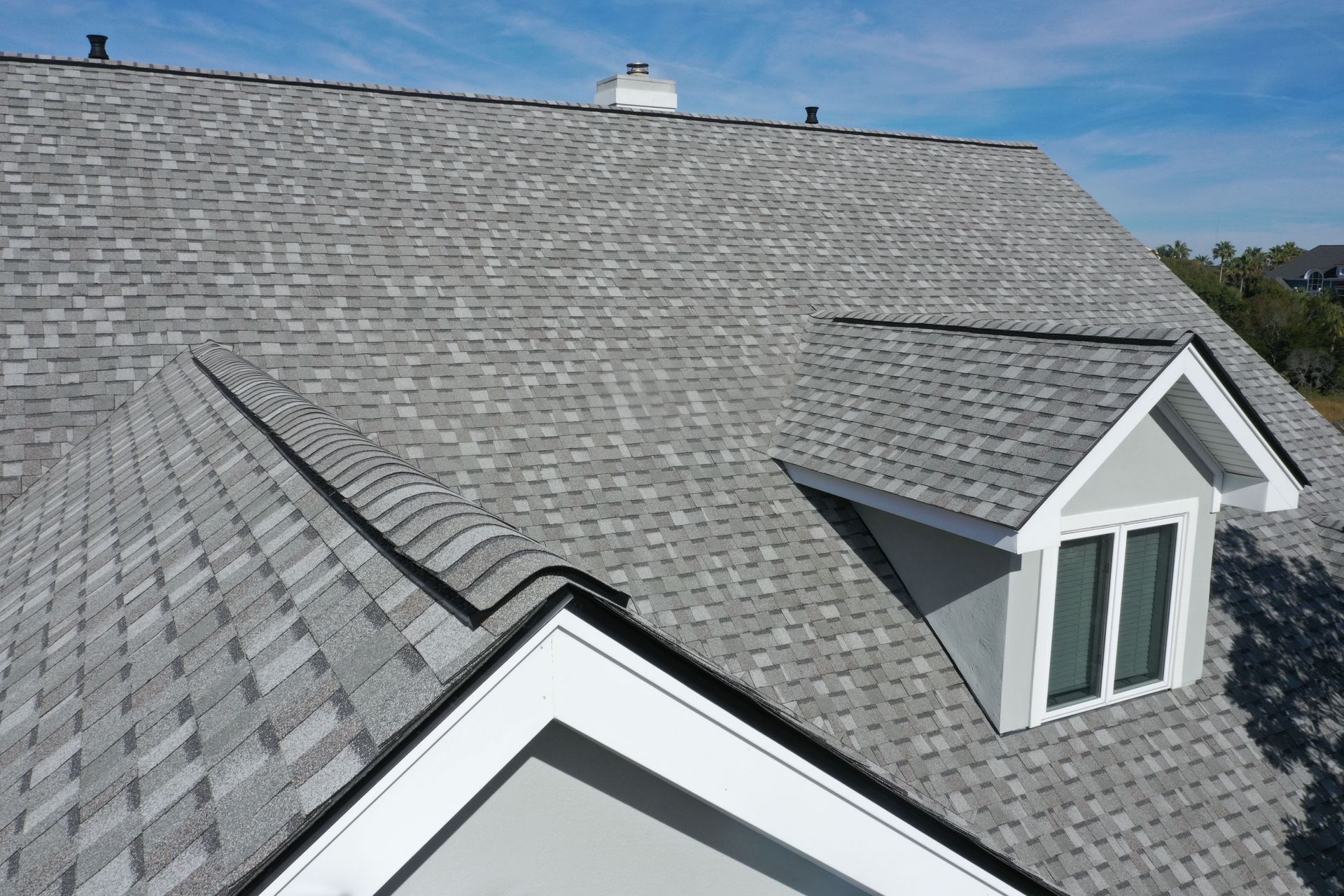
Upgrading during re-roofing also allows homeowners to choose shingles or other materials that complement the home’s style and improve curb appeal. These enhancements can positively impact property value while reducing maintenance needs in the years to come. A well-executed re-roofing project provides both immediate protection and long-term benefits, making it a critical investment in the home’s overall performance.
With professional installation, responsive service, and dependable warranties, re-roofing becomes a strategic investment rather than a reactive choice. Working with experienced
roofing contractors ensures that replacement projects deliver lasting value, enhanced durability, and peace of mind for homeowners and their families.